Which Wild Animals Make Good Pets?
Why Wild Animals Are Not Suitable For Life As Household Pets
People have long been fascinated by wildlife. Watching a fox slip through a tree line or spotting a raccoon near a creek can spark curiosity about how these creatures live. That curiosity sometimes leads to a bigger question: could a wild animal live comfortably inside a home as a pet? The idea might sound intriguing at first, yet the reality is far more complicated. Species that evolved outdoors carry instincts, physical requirements, and behavioral drives shaped by natural environments. When those traits collide with the limits of a household, both the animal and the people nearby often face difficult challenges.
Wild Instincts Do Not Disappear Indoors
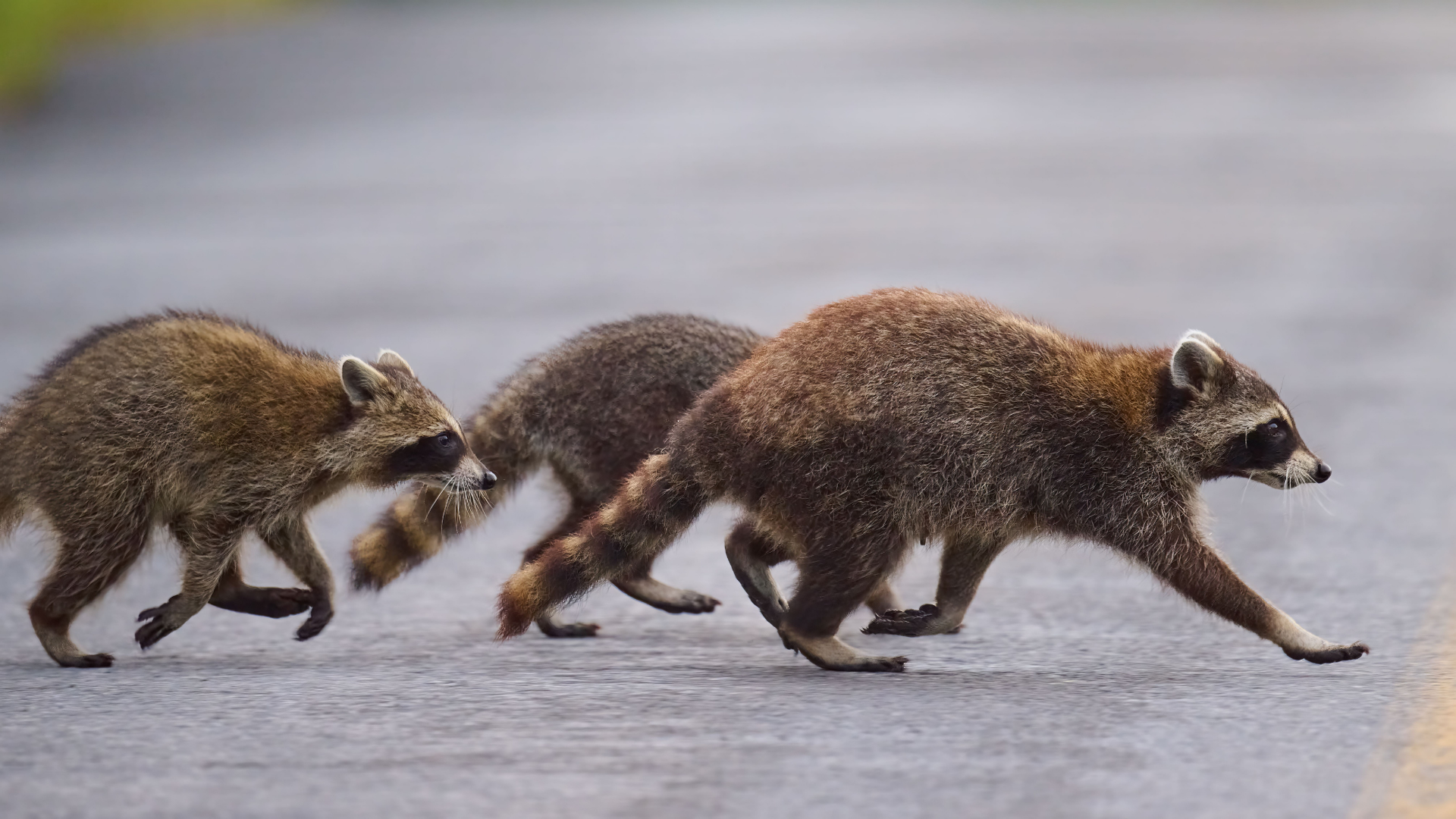
Bringing a creature from the outdoors into a living room does not erase the traits that helped it survive in forests, wetlands, fields, or deserts. Predatory mammals remain wired to hunt, forage, and defend territory. Even species that appear gentle possess powerful survival responses. A squirrel raised by people may still feel compelled to chew, dig, and scatter food. A raccoon might explore every cabinet, drawer, and vent opening in search of scents that resemble a natural feeding ground.
These patterns are not signs of stubbornness or misbehavior. They come from thousands of years of adaptation to environments where food sources shift, and threats appear without warning. A household cannot replicate the complexity of a forest floor, riverbank, or meadow. Limited space and unfamiliar surroundings can leave a creature restless or agitated.
Humans sometimes expect an animal to gradually adjust to human routines. However, instinct rarely fades simply because walls and furniture replace trees and brush. No matter how calm a creature may seem during early contact, the underlying drives remain present. That tension often grows as the animal matures, which can lead to destructive activity or defensive reactions within the home.
Environmental Demands Of Wild Species
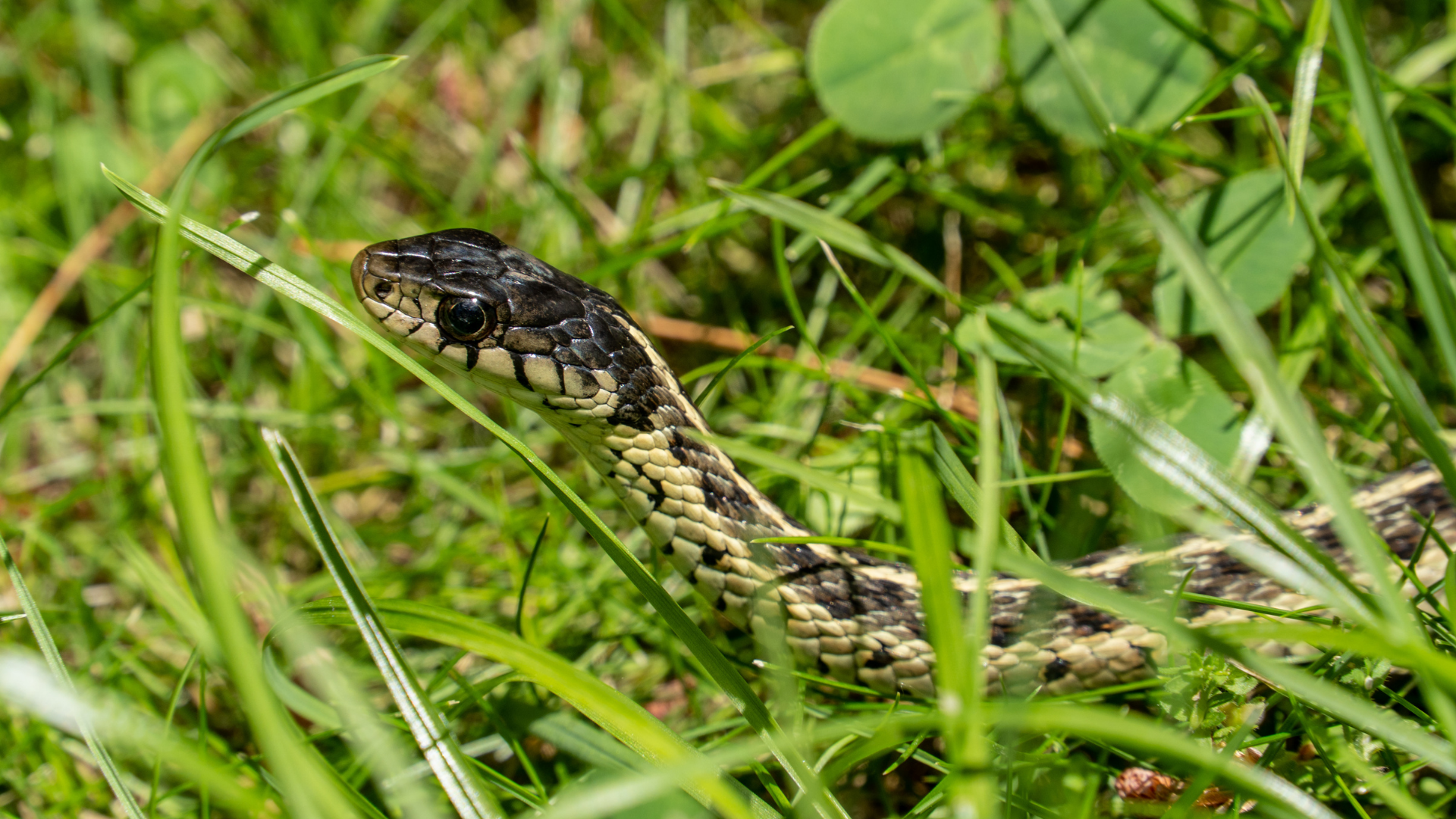
Wildlife also depends on very specific environmental conditions that typical houses cannot provide. Temperature range, humidity levels, daylight cycles, and access to natural materials influence health and behavior. Reptiles, for instance, rely on heat gradients to regulate body function. Many mammals roam wide areas each night while searching for food. Confinement within a few rooms restricts movement that would normally stretch across acres.
Diet presents another complication. Wild species rarely thrive on commercial pet food because their digestive systems evolved for varied diets gathered from natural sources. Some consume insects, nuts, fruits, and plant matter in constantly changing combinations. Others require prey that provides nutrients not easily replicated in a household setting.
When environmental needs remain unmet, stress can develop in subtle ways. A creature might pace along walls, chew through wood, or attempt repeated escape. These behaviors signal that the indoor environment fails to match the biological design shaped by the outdoors. Without access to appropriate space, materials, and food sources, maintaining long-term health becomes extremely difficult.
Behavioral Conflicts Inside A Household
Behavioral conflicts are another major concern when wildlife enters a domestic setting. Many species communicate through biting, scratching, scent marking, or vocal displays that can be startling inside a house. These actions serve important purposes outdoors, such as defending territory or warning rivals. Inside a home, the same behaviors may damage property or create tense situations for residents.
Young animals sometimes appear manageable during early stages of development. Their small size and curiosity can give the impression that they will adapt easily to human surroundings. As maturity approaches, strength increases and natural independence emerges. A once manageable animal may begin testing boundaries, pushing against cages, or reacting aggressively when handled.
Another challenge involves nocturnal activity. Numerous species remain active during nighttime hours when people expect quiet rest. Scratching in walls, climbing along furniture, or vocal calls after dark can disrupt daily life for everyone in the house. The clash between human schedules and wildlife activity patterns often becomes a source of ongoing stress.
Legal And Ethical Factors To Consider
Legal and ethical considerations also shape the discussion around keeping wildlife as pets. Many regions maintain regulations regarding the possession of native or exotic species. These rules exist partly to protect ecosystems and partly to prevent situations where untrained individuals attempt to manage animals with specialized needs. Even when a species appears common outdoors, caring for it properly may require permits, specialized enclosures, and veterinary knowledge that typical households do not possess.
Ethical questions emerge as well. Wild creatures evolved to explore large territories, locate varied food sources, and interact with others of their kind. Restricting that freedom can interfere with natural behavior and physical condition. Observing wildlife outdoors allows people to appreciate remarkable adaptations without confining those animals to environments that cannot support their biological design.
For homeowners, the presence of wildlife around structures often leads to uncertainty about what steps should be taken. Professional assistance helps address these encounters in a responsible manner while protecting property and respecting the needs of the species involved.
Interest in keeping wildlife as companions often begins with admiration. People see intelligence, curiosity, or striking appearance and imagine sharing daily life with that creature. Once the practical realities become clear, the challenges usually outweigh the initial appeal. Instinct-driven behavior, specialized habitat requirements, and legal considerations make household captivity extremely complicated for most species that evolved beyond human care.
Understanding these factors helps homeowners make thoughtful decisions when wildlife appears around their property. Observing animals in their natural surroundings offers a far richer experience than attempting to confine them within a residence. When animals enter attics, crawl spaces, garages, or yards, professional guidance can help resolve the situation in a responsible and effective manner.
Situations involving wildlife inside structures can escalate quickly when handled without proper knowledge. Different species respond to disturbance in different ways, and identifying the animal involved is an important first step. Professionals understand behavior patterns, entry points, and the structural features that attract wildlife to homes in the first place. With careful evaluation, it becomes possible to address the underlying conditions that allowed the issue to develop while reducing the chance of repeated activity around the property.
If wildlife activity around your property has become difficult to manage, don’t hesitate to
contact us
today at Advanced Wildlife And Pest Control, and let our experts assess your situation, explain available options, and help guard your property from future activity.