Why Raccoons Continue To Thrive In Cities And Suburbs
The Secret Life Of Urban Raccoons
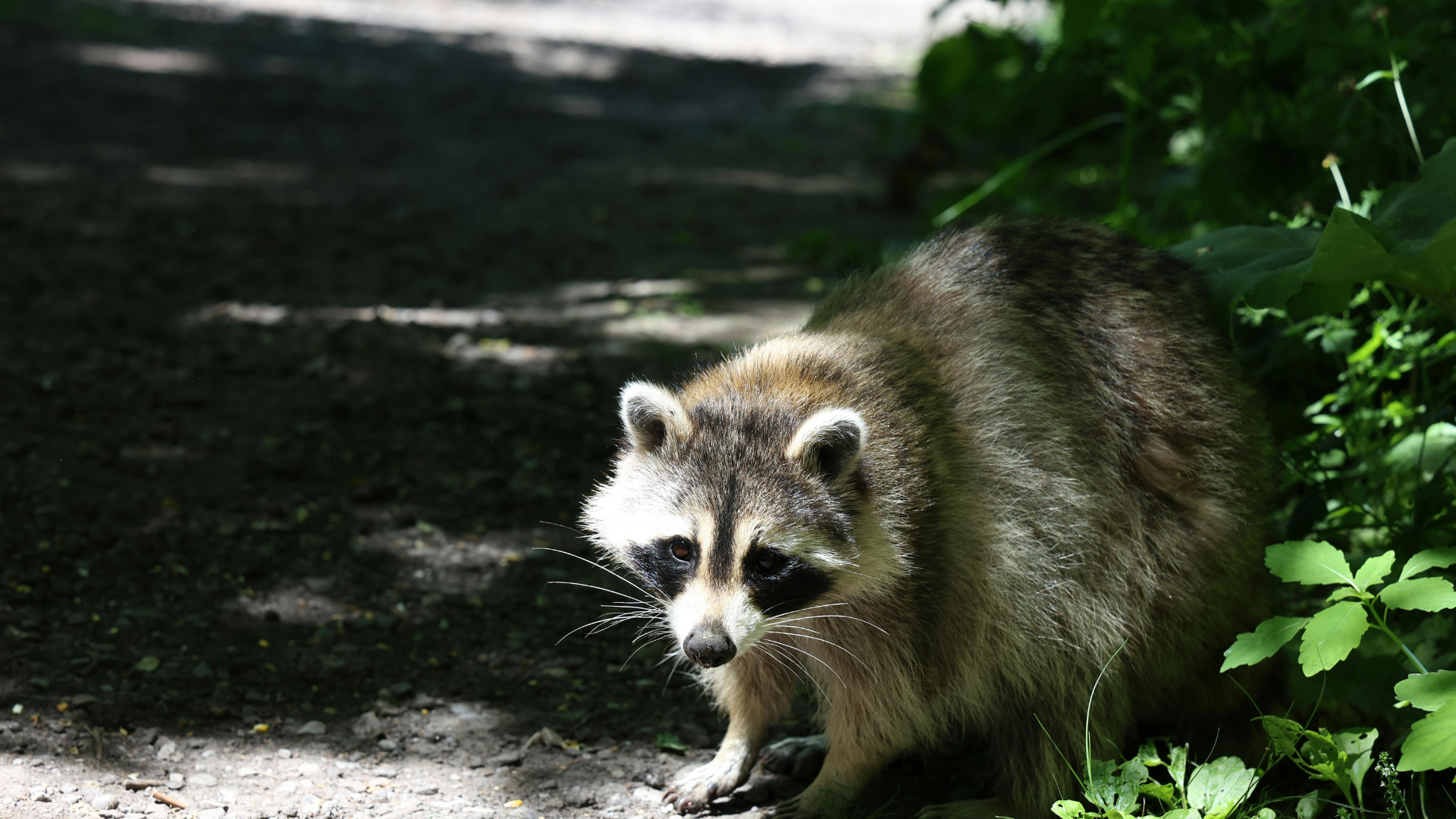
Raccoons have become one of the most recognizable wildlife species in cities and suburban neighborhoods across North America. While many wild animals struggle to adjust to expanding development, these creatures, in particular, seem remarkably capable of making themselves at home alongside people. Their growing presence around houses, apartment complexes, parks, shopping centers, and commercial buildings is not the result of chance. It comes from a combination of intelligence, flexibility, and an ability to take advantage of opportunities that exist within developed landscapes.
As communities continue to expand, raccoons often find more resources rather than fewer. Food, water, and shelter can be easier to access in residential areas than in some natural habitats. Their sharp memory, curiosity, and problem-solving skills allow them to navigate environments filled with obstacles, traffic, buildings, and human activity. These traits have helped transform these infamous garbage-raiders into highly successful urban survivors that continue to establish themselves in neighborhoods of every size.
What Makes Them So Adaptable?
One of the main reasons raccoons flourish in developed areas is their intelligence. Wildlife researchers have long noted their ability to solve challenges and remember solutions. Once one of these clever creatures discovers how to open a container, access a food source, or enter a structure, it can retain that knowledge and apply it again in the future. This capacity for learning gives these animals an advantage when they encounter new situations.
Their adaptability extends beyond problem-solving. Raccoons are comfortable in a wide variety of settings, ranging from wooded areas and wetlands to densely populated neighborhoods. Instead of depending on a single type of habitat, they can modify their behavior based on available resources. A wooded creek corridor may serve as a travel route in one location, while fences, rooftops, and utility pathways become preferred routes elsewhere.
Another factor contributing to their success is their varied diet. Unlike wildlife species that rely heavily on a narrow food source, they consume a broad range of items. This flexibility reduces dependence on seasonal conditions and allows them to take advantage of whatever resources are easiest to obtain. When natural food supplies fluctuate, developed environments often provide alternative options that help sustain local populations.
Cities Provide Their Every Basic Need
Urban and suburban settings offer many of the essentials raccoons seek. Food is often the most obvious attraction. Residential garbage containers can contain leftovers and discarded food items that require far less effort to obtain than natural forage. Pet food left outside overnight, bird feeders, compost piles, and fruit that falls from backyard trees can also draw wildlife onto a property. In many neighborhoods, multiple food opportunities exist within a relatively small area, allowing for efficient movement between feeding locations.
Water sources are another important part of the equation. Decorative ponds, retention ponds, drainage systems, pet water bowls, and other sources of standing water can support wildlife throughout much of the year. Even during dry periods, developed areas frequently provide dependable access to moisture that may be less predictable in surrounding natural habitats.
Shelter opportunities further increase the appeal of populated areas. Raccoons are constantly searching for protected spaces where they can rest and raise young. Attics, crawlspaces, sheds, decks, chimneys, and other secluded areas can provide protection from weather and predators. These locations often offer warmth, security, and easy access to nearby food sources. Once a raccoon identifies a suitable den site, that location may remain attractive for an extended period.
The daily routine of an urban raccoon reflects these advantages. During daylight hours, the animals commonly remain hidden in dens or sheltered locations while conserving energy. After sunset, activity increases as they travel through neighborhoods in search of food and water. Their nighttime habits help reduce encounters with people while allowing them to explore properties with less disturbance.
How They Move Through Developed Areas
Despite living near constant human activity, raccoons are surprisingly skilled at navigating busy environments. They rarely move randomly through a community. Instead, they use established routes that provide cover and efficient access to resources.
Buildings and structures often become part of these travel networks. Rooflines, fences, utility corridors, and tree branches connected to structures can serve as pathways from from one area to another. Their climbing ability allows them to reach elevated locations that many other animals cannot access. This mobility expands the number of potential feeding and shelter sites available within a neighborhood.
Raccoons also tend to limit their visibility by traveling after dark and selecting concealed routes whenever possible. Dense vegetation, fence lines, drainage channels, and shaded areas can help them move through populated areas while avoiding attention. Because much of their activity occurs at night, property owners may remain unaware of their presence until signs begin to appear.
Around homes, these signs often include overturned trash containers, scattered debris, unusual sounds coming from attics or wall voids, and damaged vents or entry points. Commercial properties may experience activity around dumpsters, loading areas, rooftops, or access points that provide shelter. Evidence of repeated visits can indicate that a property has become part of an established feeding or travel pattern.
A common question among property owners is why raccoons frequently return to the same location. The answer usually comes down to familiarity and convenience. Once a dependable source of food is discovered, there is little incentive to abandon it. Returning to a known location often requires less energy than searching for a new resource. The same principle applies to shelter. A protected den site that has proven effective may continue attracting wildlife, particularly during breeding and nesting periods.
Why Urban Their Populations Continue Growing
Seasonal changes influence raccoon behavior, but they do not eliminate activity. During spring and early summer, females focus heavily on denning and raising offspring. This period can increase movement around structures that offer secluded nesting locations. Property owners may notice greater activity near attics, crawlspaces, and other protected areas as young critters develop.
As fall approaches, feeding activity often increases. Raccoons spend more time searching for dependable food sources while preparing for colder conditions. Suitable shelter becomes increasingly important as temperatures begin to decline. During winter, movement may decrease during harsh weather, but these critters can remain active during milder periods, particularly when food is readily available.
The continued expansion of urban raccoon populations also creates challenges for property owners. Roofing materials, vents, soffits, and screens can sustain damage when raccoons attempt to gain entry into a structure. Once inside, they may affect insulation and other building components. Accumulated waste can create sanitation concerns, particularly when wildlife occupies attics, crawlspaces, or similar areas.
Ultimately, raccoons continue thriving because modern development often provides everything they need to survive. They have demonstrated an exceptional ability to adapt to changing landscapes, locate resources, and exploit opportunities that exist within residential and commercial environments. Ample food sources, diverse shelter options, access to water, and strong reproductive success contribute to their continued presence in communities across the region.
Raccoons have become highly effective at living alongside people, and their adaptability shows little sign of slowing. If pest or wildlife activity is affecting your home or business,
contact us today at Advanced Wildlife And Pest Control for professional assistance identifying entry points, addressing wildlife concerns, and helping protect your property from further damage.